The smell of castor oil, the thwap of two-strokes ricocheting off canyon walls, and the white rooster tails of loam hung in the air long after the leaders disappeared. Early motocross was equal parts chaos and charisma. In just a few short decades, that raw spectacle evolved into a family-friendly, technology-driven pastime.
Three watershed moments accelerated that leap: a European invasion that schooled America, one spectacular night inside the LA Coliseum, and a single four-stroke victory that rewired motorcycle design. Each milestone still echoes in today’s pits, whether you’re bolting number plates on a vintage Husqvarna or guiding a child’s first laps. Let’s step back in time, then ride forward together.
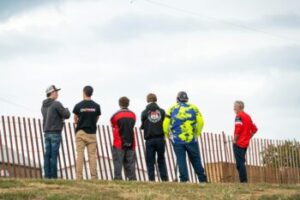
Image by Jay Brand from Pexels
1. “The Europeans Take Us to School” – Trans-AMA & Inter-AMA Invasions (1969-1973)
Before 1969, American dirt racing looked more like rough-and-tumble desert scrambles than the polished Grand Prix circuits of Europe. That changed when Swedish and Belgian champions shipped crates of purpose-built machines across the Atlantic.
The Inter-AMA series (from 1969) and Trans-AMA series (from 1970 to 1978) introduced European motocross techniques to the U.S., significantly influencing American riding styles and bike technology. Their corner-speed technique and fitness regimens exposed a performance gulf the U.S. scene couldn’t ignore.
Bike tech: lightweight chromoly frames, long-travel shocks, expansion-chamber tuning.
Governance: The AMA launched an official national motocross championship in 1972.
Legacy Celebration Today
Vintage Trans-AMA festivals fill starting grids with 1970s two-strokes, while social media accounts resurface Kodachrome slides that still smell of premix. The AMA Hall of Fame’s Hallman exhibit reminds visitors that Europe’s lesson plan birthed America’s motocross curriculum. It serves as a constant reminder of the sport’s roots.
The 110 cc Connection
Modern parents replay that learning curve on a smaller stage. Approachable machines like the wide variety of capable 110cc kids dirt bikes from NTX Powersports available today let kids master the same body-position basics Hallman preached. If you’re considering a starter machine, compare seat heights (26.3–28.0 in.) and curb weights to ensure confidence.
Bike-Care Tip Box
Whether you’re restoring a ’71 Husky 250 Cross or that very first 110, UV exposure and morning dew are chemistry’s enemies. Breathable, Car Covers Factory’s UV-resistant motorcycle covers prevent chalking plastics, rusty spokes, and that musty smell. Choosing one with vent panels ensures condensation escapes even on humid race days.
Key Insight: The European invasion wasn’t just about faster engines; it fundamentally rewired rider physics. Adopting the “standing neutral, elbows up” posture wasn’t a style choice—it was the mechanical necessity that allowed American motocross to finally evolve and compete globally.
2. “The Superbowl of Motocross” – L.A. Coliseum, 1972 & the Birth of Supercross
On July 8, 1972, promoter Mike Goodwin trucked 5,000 cubic yards of soil into a 49-year-old football stadium best known for hosting the Olympics. Under the peristyle arches, Marty Tripes, just 16 at the time, sent a fire-breathing Yamaha over man-made ski-jumps beneath arc-lights.
In fact, the inaugural Superbowl of Motocross at the Los Angeles Coliseum, held on July 8, 1972, marked a significant milestone in the sport’s history by bringing motocross racing into a stadium format for the first time, establishing a model that would become one of the most successful forms of racing in motorsport history.
From Anaheim to Arlington, Saturday-night Supercross has become a ritual. Events are complete with pyrotechnic rider intros, vintage jersey displays, and parents hoisting toddlers on their shoulders. Collectors trade original Coliseum ticket stubs, while opening ceremonies replay grainy footage of Tripes clearing the cathedral steps.
The 110 cc Connection
Travel means unpredictable weather. Lightweight, quick-dry covers safeguard bikes from parking-lot drizzle during autograph sessions, then stuff into a backpack without soaking your clean gear. Look for elastic hems that cinch tight in windy stadium lots.
Quote: “The Superbowl of Motocross didn’t just change the venue; it changed the audience. By moving from dusty hillsides to downtown stadiums, the sport transformed from a niche hobby into a primetime spectacle accessible to the average American family.”
3. “The Four-Stroke Revolution” – Doug Henry & the 1998 YZ400F
For decades, two-stroke engines screeched supremacy until noise regulations and tightening emission standards threatened their reign. Yamaha’s factory-backed gamble arrived at Budds Creek in 1997 when Doug Henry piloted a prototype YZM400F four-stroke. Doug Henry’s 1998 AMA 250 Motocross National Championship victory on the Yamaha YZ400F was pivotal, sparking the four-stroke revolution in motocross, with four-strokes dominating the sport within a few years.
Track-day schedules now split two-stroke throwback classes from thumping four-stroke mains. Museums display Henry’s #19 alongside dissected engines that compare reed valves to camshafts. YouTube channels dyno-test vintage 250 smokers versus modern 250 F thumpers, fueling comment-section seminars.
The 110 cc Connection
Those play-bike fours are direct descendants: air-cooled simplicity, push-button starting, mellow power delivery parents trust. It’s hard to imagine a better canvas for skills that scale up to 250 F race bikes. They provide a safe entry point into the mechanical world of four-stroke engines.
Bike-Care Tip Box
Longer four-stroke service intervals don’t excuse sloppy storage. Moisture trapped beneath tarps breeds corrosion, especially in humid garages. Covers with soft inner liners wick away condensation and keep spider webs out of your throttle body all winter.
Pro Tip: Don’t fear the switch from two-strokes. The modern four-stroke revolution offers a distinct advantage for developing riders: broader torque curves provide consistent traction, making it significantly easier to master throttle control compared to the “light-switch” power of vintage smokers.
Quick Timeline – Other Pivotal Shifts (1960-Present)
1960s: Japanese OEMs bring reliability and price wars.
1986: AMA Production Rule ends exotic works bikes, leveling the field.
2010-Present: Electric dirt-bike prototypes hint at quieter futures.
☑ Chest protector & knee guards—even in grass fields
☑ Parents positioned at both ends of the straightaway for coaching
☑ Local club membership—organized practice beats backyard ruts
Everyday Maintenance Habit: Wash, Lube, Cover
Teaching kids to wield a soft brush, lube a chain, and pull a fitted cover over warm plastics fosters respect for machinery and history alike. Using size-specific covers makes this lesson easy and accessible for young riders. It builds habits that protect their investment for years to come.
Important: Never underestimate “backyard speeds.” Most childhood injuries occur during casual play-riding, not organized racing. Always enforce the full-gear rule—helmet, boots, and chest protection—even if they are just doing slow circles in the grass on their 110cc machine.
The Path Forward
From European mastery to stadium spotlights to four-stroke thunder, motocross has always reinvented itself. Yet one theme holds steady: riders pass the torch, tire to tire, generation to generation. This weekend, consider attending a vintage Trans-AMA reunion, cheering on Supercross heat races, or simply slipping a cover over the bike that reminds you why you fell in love with dirt. The rookie we leave today becomes tomorrow’s legend.