
Monday Night Football Early Years (1979 – 1984)
Before we jump into Monday Night Football from 1979 thru 1984, if you haven’t

How Changes to the Rules Quietly Changed the History of Modern Sports
Most fans will say that sports look different now than they did 30, 50,

Monday Night Football Early Years (1974 – 1978)
Before we jump into Monday Night Football from 1974 thru 1978, if you haven’t
Monday Night Football Early Years (1970 – 1973)
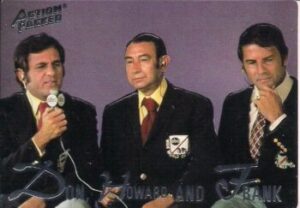
On September 21, 1970, the first Monday Night Football game featured the 1964 NFL
John Henry Johnson and the Million Dollar Backfield
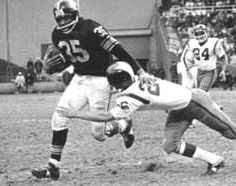
Once, during a Super Bowl halftime interview, the legendary Jim Brown said that this
When Athletes Fall from Grace: Understanding Public Perception and Redemption in Sports
Sports heroes occupy unique positions in popular culture, admired for extraordinary physical achievements and

Why CasinosAnalyzer Is the Go-To Platform for Transparent Casino Rankings
In a digital landscape where more than 3,500 online casinos compete for attention, players

Dogecoin Casinos and Sports Culture in the Streaming Era
Sports history used to live in box scores, radio calls, and grainy highlight reels.