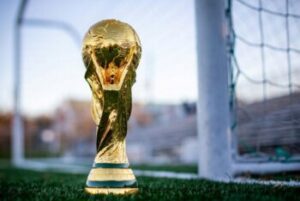
Spain are world champions again. Ferran Torres scored the decisive goal in extra-time as La Roja defeated Argentina at New York New Jersey Stadium, with Rodri lifting the trophy and Luis de la Fuente extending his remarkable unbeaten record as Spain manager.
Sourced via Unsplash - credit myprofittutor
It might prove to be Lionel Messi’s final international appearance, the 2022 champions losing a major tournament for the first time in over five years.
De la Fuente has now won Euro 2024 and the 2026 World Cup without losing a competitive game in charge.
Sixteen titles across five years for La Roja’s men’s and women’s sides represent another dominant period for Spanish football, and pre-tournament markets had the champions of Europe as heavy favourites with a bet365 promo code from the start.
But the benchmark for Spanish football remains 2010. That group built a dynasty that spanned Euro 2008, the 2010 World Cup and Euro 2012, and it is still remembered as one of the greatest national sides ever assembled. So how many of De la Fuente’s 2026 winners would make a combined XI?
Goalkeeper: Iker Casillas (2010)
Unai Simón was outstanding in 2026, conceding one goal across the tournament and delivering when it mattered most. But Casillas lived through heavier fire across three consecutive major tournament wins and never once looked anything other than immovable. His aura in knockout football remains the standard.
Right Back: Pedro Porro (2026)
Porro emerged from the bench to replace Marcos Llorente and never gave the shirt back, becoming Spain’s most complete full-back and scoring goals in big games by the time the final arrived. Ramos was a titan, but he was a centre-back stationed wide. Porro is the specialist, and this is his position.
Centre Back: Carles Puyol (2010)
Non-negotiable. Puyol was the emotional and tactical anchor of that dynasty, the organiser, the enforcer, the man every teammate looked to under pressure. Even in an era of smoother ball-players, his leadership and timing still feel untouchable.
Centre Back: Pau Cubarsí (2026)
One of the stories of the tournament. Cubarsí played at 19 with the serenity of a veteran and the ambition of a player who knows he is just getting started.
Piqué was brilliant in 2010, but Cubarsí’s ceiling and his form across this tournament edge him into the XI.
Left Back: Marc Cucurella (2026)
Joan Capdevila was steady and reliable across the 2010 run. Cucurella is expressive, aggressive and constantly available in the final third.
If Jordi Alba had broken through a little earlier, this would be closer. As it stands, Cucurella’s dynamism gets the nod.
Midfield: Xavi (2010)
Xavi is not a selection, he is a given. He defined Spain’s rhythm, their geometry, and their entire footballing language across that dynasty. Every midfielder in both eras is playing in a world he shaped.
Midfield: Rodri (2026)
Busquets was the perfect cog in a perfect machine. Rodri is the machine. He covers more ground, offers more range, and dictates games from more positions than any holding midfielder of his generation.
His tournament ended with him lifting the trophy and the Golden Ball. Enough said.
Midfield: Andrés Iniesta (2010)
Iniesta slides into the interior role he always seemed built for in this XI, despite starting the 2010 final out wide.
His ability to break lines, manipulate tempo and deliver in decisive moments makes him essential to any combined Spain XI regardless of era. Genius doesn’t need a case made for it.
Right Wing: Lamine Yamal (2026)
Pedro was clever, industrious and tactically priceless in 2010. Yamal is something else entirely.
At 19, he was Spain’s attacking compass throughout the 2026 tournament, fearless and decisive when the pressure was highest. A generational winger, right now, in real time.
Striker: Fernando Torres (2010)
He may not have been peak-Liverpool Torres during the 2010 run, but El Nino delivered tournament-defining moments and carried Spain through Euro 2008 in a way that still defines his legacy.
Oyarzabal is intelligent and reliable. Torres had the kind of world-class spikes that change knockout football.
Left Wing: David Villa (2010)
Spain’s all-time leading scorer fits this XI by drifting in off the left in the role he made his own. Clinical, adaptable and ruthless in the moments that mattered most. Nico Williams is electric and Ferran’s 2026 contribution was real. Villa is legacy-level.
The Combined XI (4-3-3)
Casillas Porro, Puyol, Cubarsí, Cucurella Xavi, Rodri, Iniesta Yamal, Torres, Villa Six from 2010, five from 2026. The dynasty edges it, but only just. De la Fuente’s side have won back-to-back major tournaments without losing a game. Give them another cycle and this conversation gets considerably harder.