
The Long History Facing the Seahawks and Patriots
Since the first Super Bowl in January 1967, 118 teams have played in one
The Best Pro Football Teams Countdown (All-Time Franchises)
With the NFL about to begin its 107th season, I have a question for
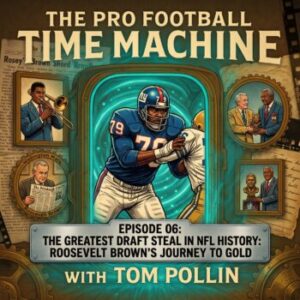
The Greatest Draft Steal in NFL History: Roosevelt Brown’s Journey to Gold
We all know who the first-round draft busts are in NFL history. We get
How Technology Transformed the Sportsbook Experience for NFL Fans
NFL Sundays have always given fans plenty to follow, from early kickoffs to prime-time
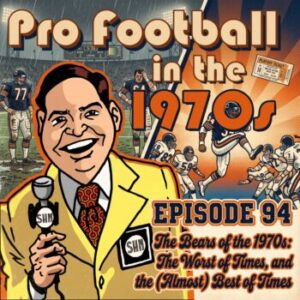
The Bears of the 1970s: The Worst of Times, and the (Almost) Best of Times
The Chicago Bears seemed to split the decade of the 1970s in half. From
Every Ball Can Change the Odds: Why Cricket Is Built for Live Betting
A sport where the game can change 240 times in a match Six months

Seahawks Remain the NFC West’s Measuring Stick After Wild Openers to 2026 Season
Melbourne Cricket Ground, the site of the Rams’ Week 1 stunner – Source: Unsplash
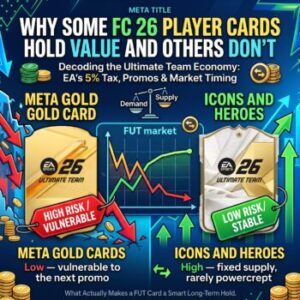
What Actually Makes a FUT Card a Smart Long-Term Hold
EA Sports FC 27 is a football video game, and its most popular mode,