
The San Francisco 49ers franchise began in 1946 in the All-American Football Conference. The team posted a winning record in all four seasons of the league’s existence and had an impressive 12–2 mark in 1948. But they were in the same division as the Cleveland Browns, the league’s best team. With the league struggling to survive, down to one division and only seven teams remaining, the 49ers finally got their chance to face the Browns in the 1949 Championship game, but lost 21–7.
The league folded, and the 49ers joined the NFL in 1950. From 1950 to 1959, their record was 63-54–3. Their only postseason appearance came in 1957, when they blew a 27–7 lead to the Lions.
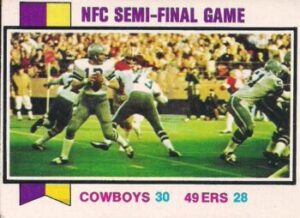
From 1960 to 1969, the 49ers’ record was 57–74–7, and they never made the postseason. After a 4–8–2 record in 1969, there was no reason to expect the 1970s to be any different. But the 49ers surprised everyone by going 10–3–1 in 1970 and then upsetting the heavily favored Vikings in the playoffs. They lost to the Cowboys in the NFC Championship game, but returned to the title game the following season, where they lost to the Cowboys again.
In 1972, they lost to the Cowboys again, this time blowing a 21–3 lead in the divisional playoff game. They never recovered, and from 1973 to 1980, the 49ers’ record was a dismal 39–79. But the 49ers were about to shock the football world in 1981.
1981 San Fransisco 49ers
The 49ers lost their first game of the 1981 season to the Lions, 24–17, but there were bright spots. The defense held running back Billy Sims to 59 yards on 21 carries and sacked quarterback Gary Danielson four times. On offense, Freddie Solomon caught eight passes for 94 yards, including one touchdown.
In a Week 2 game against the Bears, quarterback Joe Montana connected with Freddie Solomon on a 46-yard touchdown pass, giving the 49ers a 14–0 lead.
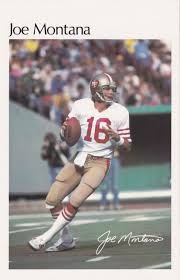
By the third quarter, the Bears had scored 17 unanswered points, but the 49ers came back to win 28–17. The 49ers’ defense did a good job containing running back Walter Payton, who carried the ball 27 times for 97 yards. Offensively, Joe Montana, who had spent his first two seasons as the backup quarterback, had an excellent game, completing 20 of 32 passes for 287 yards and three touchdowns. His main target was once again Freddie Solomon, who caught five passes for 113 yards and one touchdown.
In a Week 3 game against the Falcons, the 49ers outgained Atlanta 386 yards to 363, but the Falcons won 34–17. The San Francisco offense turned the ball over three times, and the defense couldn’t stop quarterback Steve Bartkowski, who completed 13 passes for 208 yards and three touchdowns.
The defense also struggled to contain running back William Andrews, who gained 85 yards on just 12 carries. Dating back to the final three games of the 1980 season, the 49ers were 1–5 in their last six games, and there didn’t seem to be much reason to think things would improve. But the league was about to find out this was not the same old 49ers team that everyone beat up on.
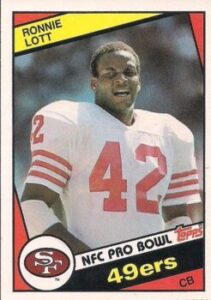
The 49ers and Saints were tied 7-7 entering the third quarter when Montana connected with Solomon on a 60-yard touchdown pass. In the fourth quarter, rookie cornerback Ronnie Lott returned a 26-yard interception for a touchdown. The 49ers’ defense allowed 413 yards and struggled to contain running back George Rodgers, who gained 125 yards on 25 carries, but it allowed only two touchdowns. The final score was San Francisco 21, New Orleans 14.
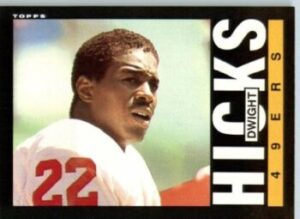
In a Week 5 game against the Redskins, safety Dwight Hicks returned a fumble 80 yards for a touchdown and then added a second touchdown on a 32-yard interception return. The 49ers’ defense forced six turnovers and cruised to a 30–17 victory. The 49ers were 3–2, but since they hadn’t played anyone with a winning record, no one was convinced they were for real. That was about to change.
Major Showdown
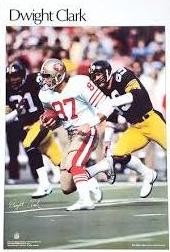
The perennial powerhouse Dallas Cowboys were coming to town and were expected to knock the 49ers off their high horse. Before the Cowboys knew what hit them, they trailed 24–0. Dallas scored a touchdown before halftime, but a 78-yard touchdown pass from Montana to Dwight Clark extended the 49ers’ lead to 31–7. Ronnie Lott’s 41-yard interception return made the score 38–7. The final score was SF 45, Dallas 14. The 49ers’ defense held the Cowboys to just 192 total yards. Joe Montana completed 19 of 29 passes for 279 yards and two touchdowns. His main target, Dwight Clark, caught four passes for 135 yards and one touchdown.
The 49ers traveled to Milwaukee County Stadium for a Week seven game against the Packers. The 49ers offense gained 337 yards but managed only one touchdown and two field goals. The defense held Green Bay to 241 yards and just one field goal. Third-year quarterback Joe Montana was establishing himself as one of the best quarterbacks in the league. In this 13–3 win, Montana completed 23 of 32 passes for 220 yards.
The 49ers jumped out to a quick 14-0 lead against the Rams when Joe Montana connected with Freddie Solomon for a 14-yard touchdown and with Dwight Clark for a 41-yard touchdown. The Rams came back to cut the lead to 14–10, but the 49ers held on for a 20–17 victory. The 49ers’ defense didn’t have one of its better days, giving up 401 yards, but it stopped the Rams when it mattered. Offensively, Montana had another outstanding performance, completing 18 of 32 for 287 yards and two touchdowns. Dwight Clark caught eight of those passes for 109 yards and one touchdown.
In a Week 9 game against Pittsburgh, Joe Montana didn’t have one of his better days, throwing two interceptions, one of which was a 50-yard touchdown return by Mel Blount. The defense struggled to stop Franco Harris, who gained 104 yards on just 17 carries, but it forced six Steelers turnovers and won the game 17–14.
The Falcons came to town for a Week 10 rematch, and the 49ers were eager to avenge their early-season loss to Atlanta. In that game, the 49ers’ defense struggled to stop Atlanta’s running and passing games, but not this time. William Andrews was held to 61 rushing yards, and Steve Bartkowski was intercepted three times and sacked three times. 49ers receiver Dwight Clark had another big game, catching seven passes for 128 yards. The final score was SF 17, Atlanta 14. The 49ers’ record stood at 8–2, and the league took notice.
The 49ers’ seven-game winning streak ended in Week 11 against the Browns. The 49ers gained 305 yards but managed only four field goals. With the score tied 12–12 in the fourth quarter, Browns kicker Matt Bahr, who had played for the 49ers earlier in the season, kicked the winning field goal, giving the Browns a 15–12 victory.
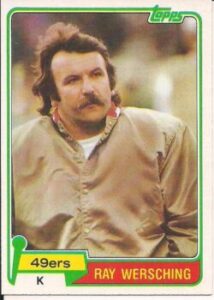
In a Week 12 game against the Rams, the 49ers trailed 17–10 at halftime. In the third quarter, Amos Lawrence tied the score with a 94-yard kickoff return. After a Ray Wersching field goal gave them a 20–17 lead, the 49ers extended it to 27–17 when Ronnie Lott returned an interception 25 yards for a touchdown. But the Rams came back to take a 31–30 lead in the fourth quarter. Wersching gave the 49ers a 33–31 win with a 37-yard field goal. The 49ers’ defense couldn’t stop the Rams’ running attack, allowing 203 rushing yards. But the 49ers’ passing attack came through again. Montana passed for 283 yards, and Freddie Solomon caught five passes for 124 yards.
The 49ers improved to 10–3 with a 17–10 win over the Giants. The sometimes-bad, sometimes-good defense held the Giants to 223 yards and forced five turnovers. Joe Montana had another strong performance, completing 27 of 39 passes for 234 yards. He also ran for a 20-yard touchdown.
Those who still doubted the 49ers had to believe they were for real after beating the 10–3 Bengals in Week 14. The defense forced six Bengals turnovers en route to a 21–3 win.
In week 15, the 49ers and Oilers entered the locker room at halftime with neither team having scored. The 49ers scored three touchdowns in the third quarter and one in the fourth, securing an easy 28–6 win. The 49ers outgained the Oilers 414 yards to 186.
In the final game of the regular season, the 49ers outgained the Saints 349 to 222, but three turnovers kept the score close. The defense did a better job of containing running back George Rogers than in week five. Rogers ran for 107 yards, but it took 30 carries. Joe Montana didn’t play the entire game, but he completed 9 of 11 passes for 106 yards with two touchdowns. The final score was SF 21, New Orleans 17.
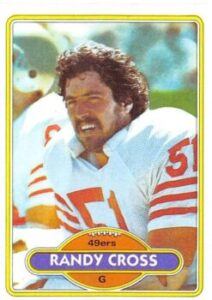
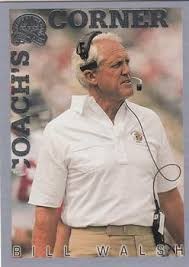
San Francisco finished the season with a 13–3 record, the best in the NFL. Joe Montana, Dwight Clark, Dwight Hicks, Ronnie Lott, and guard Randy Cross were named to the Pro Bowl. Ronnie Lott was also named to the All-Pro team. Coach Bill Walsh won the Coach of the Year Award.
1981 NFC Divisional Round
Their 13–3 record earned them home-field advantage in the playoffs. Their opponent was the Giants. With a 10–7 lead in the second quarter, Freddie Solomon scored on a 58-yard touchdown pass. This was followed by a 25-yard touchdown run by Ricky Patton. The Giants came back with two scores of their own, narrowing the gap to 24–17. In the fourth quarter, the 49ers scored another touchdown, and Ronnie Lott sealed the victory for San Fran with a 20-yard interception return for a touchdown.
The final score was SF 38, NY 24. The 49ers’ defense allowed 290 passing yards but held the Giants to only 65 rushing yards and forced four turnovers. Joe Montana completed 20 of 31 passes for 304 yards, with two touchdowns and only one interception. Freddie Solomon gained 107 yards receiving, while Dwight Clark gained 104 yards.
1981 NFC Conference Round
The 49ers were one win away from their first Super Bowl appearance, but it wouldn’t be easy. Their opponent was the five-time NFC Champion Dallas Cowboys. The 49ers had destroyed the Cowboys in Week 5, but this was not the regular season, and the Cowboys were hungry for revenge. Most people thought the Cowboys had the edge, given their playoff experience.
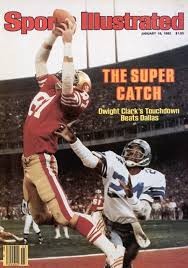
With the Cowboys leading 10–7 in the second quarter, Montana connected with Dwight Clark for a 20-yard touchdown. But the Cowboys answered with a touchdown of their own, taking a 17–14 halftime lead. The 49ers retook the lead in the third quarter, but Dallas came back again, leading 27–21 with 4:54 left in the game. San Francisco took possession at their 11-yard line. The 49ers, not known for their running game, caught the Cowboys off guard with draw plays and reverses. They drove the ball down the field to the five-yard line.
On third down, with 58 seconds left in the game, Montana, avoiding a rush, threw high to Dwight Clark, who leaped to grab the ball for a touchdown. The play would forever be known as “The Catch”. The 49ers were going to the Super Bowl.
Dwight Clark caught eight passes for 120 yards and two touchdowns. The 49ers gained 393 total yards despite turning the ball over six times. The 49ers’ defense had a tough time stopping Tony Dorsett, who gained 91 yards on 22 carries and scored one touchdown. But they held the Cowboys’ passing game to 173 yards.
Super Bowl XVI — Bengals vs. 49ers
The Bengals were the 1981 AFC Champions and would face the SF 49ers in Super Bowl XVI. The game took place in Detroit, where the wind chill was 25 degrees below zero. The extreme cold made travel hazardous, as the roads were a sheet of ice. However, the weather wouldn’t affect the game, as it was played in a domed stadium.
The Bengals caught a break immediately when the 49ers fumbled the opening kickoff. But San Fran quickly regained possession on Dwight Hicks’ interception and drove 68 yards to take a 7–0 lead.
In the second quarter, the Bengals had the ball at the 49ers’ 8-yard line, but they fumbled, and San Fran recovered. The 49ers marched 92 yards for their second touchdown and added a field goal to make it 17–0. Right before halftime, the Bengals fumbled a squib kick, allowing the 49ers to add another field goal.
The 49ers held a comfortable 20–0 lead at halftime, but older 49ers fans remembered how the team had blown big leads in the past and hoped it wouldn’t happen again. It almost did.
Cincinnati opened the third quarter with an 83-yard drive, cutting the deficit to 20–7. The touchdown energized the Cincinnati defense, which held the 49ers to just 4 yards in the quarter. Late in the quarter, the Bengals had the ball at the 49ers’ 16-yard line.
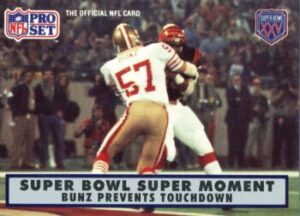
A few plays later, they found themselves on the three-yard line with a first down and goal to go. A two-yard run brought them to the 1-yard line. The following two plays gained nothing, and the Bengals opted to go for it on fourth down. They tried a pass, but backup linebacker Dave Bunz made a perfect tackle at the 1-yard line, and the 49ers took possession. The Bengals’ defense forced a punt, giving their offense another chance. The Bengals then scored on a 53-yard drive, bringing the score to 20–14.
With ten minutes remaining, the 49ers ran down the clock and reached field goal range, extending their lead to 23–14. Cornerback Eric Wright’s interception set them up for another field goal, making it 26–14. With only two minutes left, the Bengals needed a quick touchdown to have any hope of winning.
They scored the touchdown, but it consumed almost the entire two minutes. With 16 seconds left, the Bengals lined up for an onside kick, but San Francisco recovered it, ending the game.
The 49ers’ offense didn’t play great, but it scored 26 points. The defense had a tough time stopping the Bengals’ passing game, which gained 300 yards, but it held the Cincinnati running game to just 72 yards. The defense also recorded five sacks, forced four turnovers, and had arguably the best goal-line stand in Super Bowl history.
For the first time in their 36-year history, the 49ers became World Champions. They went on to win four more Super Bowls in 1984, 1988, 1989, and 1994.
Mark Morthier is the host of Yesterday’s Sports, a podcast dedicated to reliving memorable sports moments from his childhood days and beyond. He grew up in New Jersey just across from New York City, so many of his episodes revolve around the great sport’s teams of the 70s for the New York area.
He is also an author of No Nonsense, Old School Weight Training (Second Edition): A Guide for People with Limited Time and Running Wild: (Growing Up in the 1970s)
BOOKS BY MARK MORTHIER
Please Note – As an Amazon Associate I earn from qualifying purchases
More From Yesterday's Sports
1981 San Fransisco 49ers: First Super Bowl Victory
The San Francisco 49ers franchise began in 1946 in the...
Read MoreMonday Night Football Early Years (1985 – 1991)
Before we jump into Monday Night Football from 1985 thru...
Read MoreMonday Night Football Early Years (1979 – 1984)
Before we jump into Monday Night Football from 1979 thru...
Read MoreMonday Night Football Early Years (1974 – 1978)
Before we jump into Monday Night Football from 1974 thru...
Read More