
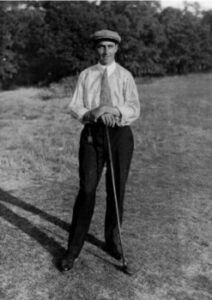

6 Best Places to Buy a Golf Simulator Projector: A 2026 Buyer’s Guide for Serious Home-Simulator Builds
Photo by A n v e s h on Unsplash The projector feeding your

The Epsom Derby Runnings That Made Racing History
The Derby was first run at Epsom Downs in 1780 and remains the most
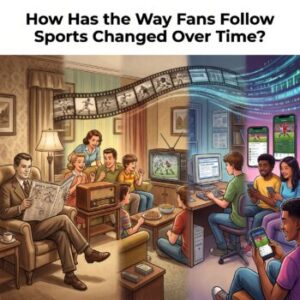
How Has the Way Fans Follow Sports Changed Over Time?
Sports fans have always found ways to feel close to the games they love.
The Long History Facing the Seahawks and Patriots
Since the first Super Bowl in January 1967, 118 teams have played in one
The Best Pro Football Teams Countdown (All-Time Franchises)
With the NFL about to begin its 107th season, I have a question for
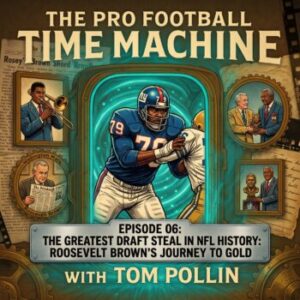
The Greatest Draft Steal in NFL History: Roosevelt Brown’s Journey to Gold
We all know who the first-round draft busts are in NFL history. We get
How Technology Transformed the Sportsbook Experience for NFL Fans
NFL Sundays have always given fans plenty to follow, from early kickoffs to prime-time
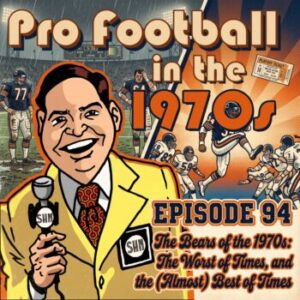
The Bears of the 1970s: The Worst of Times, and the (Almost) Best of Times
The Chicago Bears seemed to split the decade of the 1970s in half. From