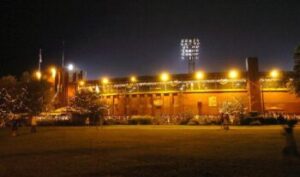

Super Bowl XVII (Dolphins vs. Redskins): An Ultimate Recount of the Game
Today we have Super Bowl XVII, which was held on January 30, 1983, at
Epic Seasons: The 1976 Washington Redskins
Ask any pro football historian what George Allen’s greatest coaching year was, and he
Was The 1972 Undefeated Miami Dolphins Really The NFL’s Best Team?
Last week I wrote an article comparing the 1972 and 1973 Miami Dolphins. I
Early NFL Players Tackle Off-Season Jobs
Before the television era of professional football, which certainly changed the financial outlook of
Darryl Dawkins: Dr. Dunkenstein, Double D, Sir Slam, and Chocolate Thunder All Rolled Into One
Darryl Dawkins was one of the most outrageous characters in NBA history. He was
Super Bowl XVI (49ers vs. Bengals): An Ultimate Recount of the Game
Today we have Super Bowl XVI, which was held on January 24, 1982, in

Ray Durbin: Founder of Row One Brand Sports Gifts
Row One Brand is an American sports brand based out of Oklahoma City, Oklahoma.
1973 Miami Dolphins (Better Than The Undefeated 72′ Team?)
The ’72–73 Miami Dolphins may have had the best two-year run in NFL history