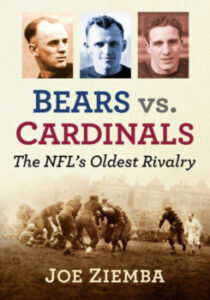
Bears vs. Cardinals: The NFL’s Oldest Rivalry Book Preview
In this episode of “When Football Was Football’” Joe Ziemba previews his latest book,

Blue Corner Pro Boxing Returns to Kansas City in January 2026
Kansas City fight fans are preparing for a major moment as Blue Corner Pro
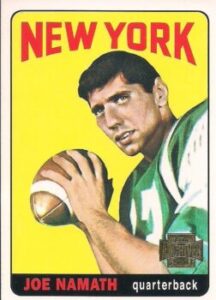
Broadway Joe’s Lasting Impact on the NFL
Does Joe Namath deserve to be in the Pro Football Hall of Fame? To
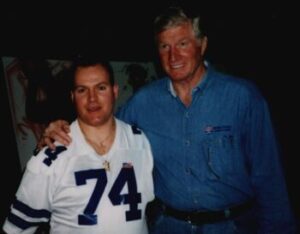
Bob Lilly a.k.a. “Mr. Cowboy” – (Mark and Dave’s All-Time Favorite Player)
After an All-American career at Texas Christian University, Bob Lilly was the first-ever draft
1-on-1: Magic Johnson vs. Rony Seikaly
Doing a good deed is always a good thing. It shows others that we
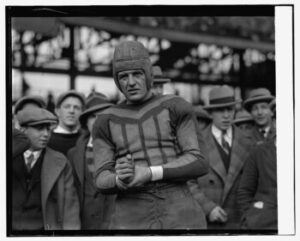
When Machine Gun Jack Met The Galloping Ghost!
Some may claim that Chicago has a bad reputation…and not necessarily just in football!
The Hidden Gems of the Squared Circle
ROGER: BRYAN CLARKE as ADAM BOMB– one of four wrestlers we’ll be discussing on

History Of Counter-Strike Skins
Weapon cosmetics turned online battles into a showcase of style and status. The changing